
Whoa!
I remember holding my first Tangem card and feeling a tiny electric thrill. It was subtle. Not fireworks—more like, huh, this is neat. My instinct said: finally, somethin’ that fits a real pocket and won’t rattle around like a key fob.
At first I thought a metal case and a seed phrase folded in a notebook were all you needed, but then I used the card for a week and things shifted. Actually, wait—let me rephrase that: initially I trusted the old paper-and-seed ritual, though the convenience and NFC simplicity of the card slowly won me over, especially for everyday use when I’m out running errands and don’t want to pull out a bulky device.
Really?
The card is that thin. It slides into a wallet. Seriously, that matters. On a practical level, it changes how you interact with crypto; you tap instead of cradle a device and type PINs for every small transaction, though there are trade-offs you should care about. My gut feeling was skeptical at first because convenience often hides compromise—but the Tangem approach is different in several ways that matter in daily practice.
Here’s the thing.
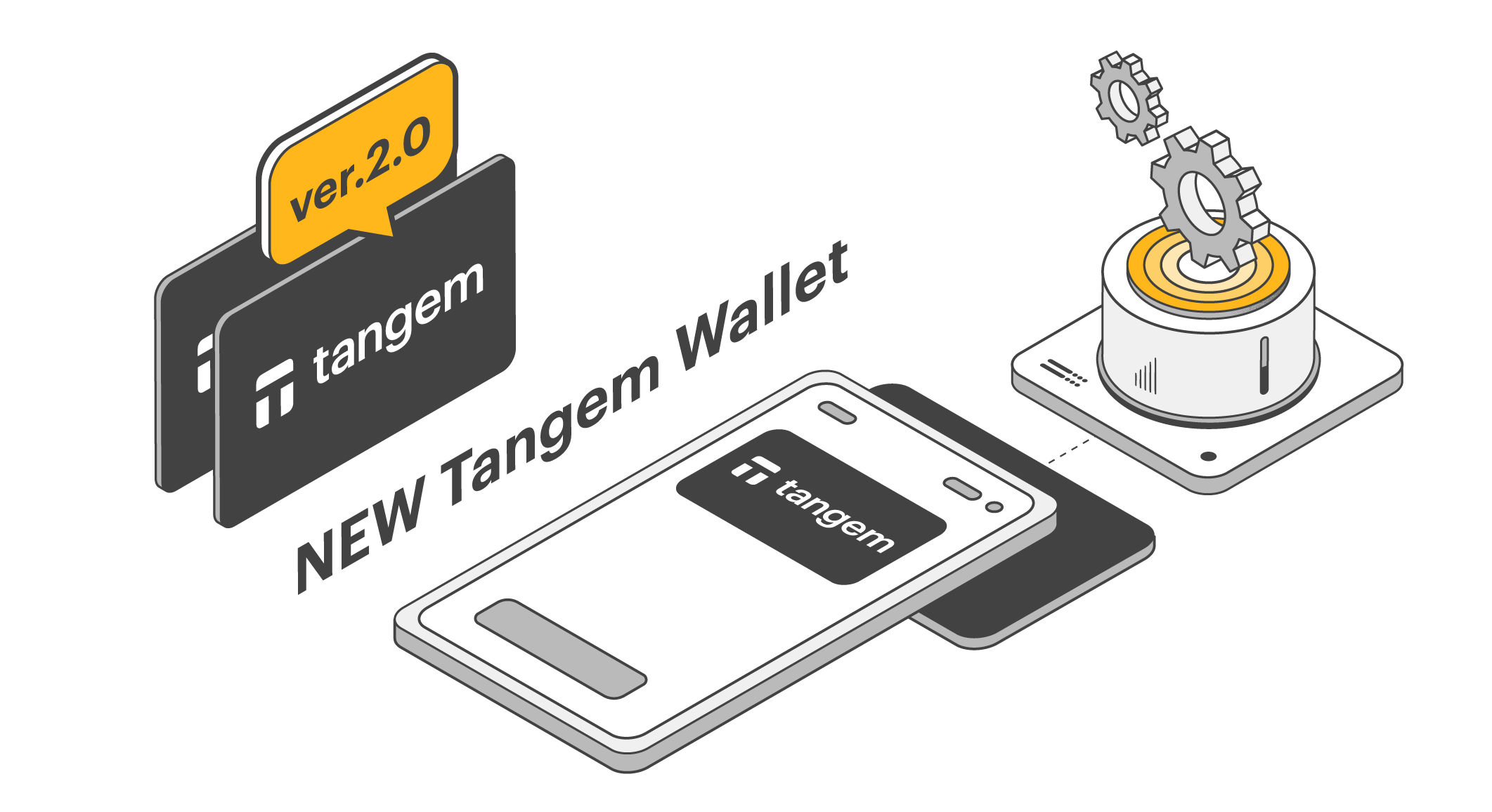
Tangem cards store private keys inside a secure element on the card itself. That means the secret never leaves the card, even during an NFC session with your phone, which reduces attack surface compared with software wallets. The card is tamper-evident by design, and if someone physically opens it the chip is supposed to zeroize—unexpected, but reassuring in its own mechanical way. On the other hand, a lost card is a lost key unless you’ve planned recovery, so planning matters a lot.
Hmm…
Okay, enough cheerleading—let’s be practical. You need to know three things: threat model, convenience trade-offs, and recovery strategy. On one hand, a Tangem card is great for mitigating remote compromises like phone malware because the private key is isolated; on the other hand, it does not erase the need for an air-tight recovery plan if the physical card is destroyed or permanently lost. Initially I thought: single-card equals single point of failure, but actually you can set up multiple cards or use multisig—though that adds complexity and costs.
Seriously?
Who uses these cards most? Casual holders who want strong security without the fuss. Travelers who like tapping at coffee shops or people who hate carrying an extra gadget. Parents who want a simple, durable way to store a family’s crypto stash. That said, institutional or very large holders may prefer hardware wallets with explicit open-source firmware and enterprise features; Tangem leans consumer-first and that design choice shapes both strengths and limits.
My instinct said: test it in the real world.
I carried a Tangem card in my front pocket with my driver’s license and one folded receipt for a week. It survived subway jolts, a rainstorm, and a night at the laundry mat. The NFC handshake with my phone felt fast, almost casual—tap, approve, done—though the UX depends on the wallet app you pair it with and whether you’re using Ledger-like multisig or an app that supports Tangem natively. I’m biased, but that daily convenience is the killer feature for many people; this part bugs me about some other hardware wallets that overcomplicate simple transfers.
Whoa!
There are limits, obviously. You don’t get a screen on the card, so transaction details shown only on your phone must be trusted; that puts a premium on using a high-quality wallet app that verifies and displays everything cleanly. If the app is malicious or compromised, a user can be tricked into approving a bad transaction unless the card offers counter-signing verification, which Tangem’s ecosystem approaches in specific ways. On paper this is fine; in practice you must choose partners and apps carefully—trust, but verify.
Check this out—
One practical tip I picked up: use two cards and store them in different places if you’re serious about redundancy. One in a safe, one in a trusted relative’s safe-deposit box, or use multisig across devices so a single physical loss doesn’t spell disaster. That strategy feels almost too simple, yet it preserves the card’s convenience while patching the single-point failure problem; obviously it’s not perfect, and it adds cost, but risk management rarely is free. (oh, and by the way… don’t forget to test recovery before you need it.)
Mục Lục
Real-world setup, and where to learn more
If you want straightforward guidance with step-by-step visuals and compatibility notes, I found the best quick reference at https://sites.google.com/cryptowalletextensionus.com/tangem-wallet/—it’s the sort of page you glance at before you order, and it answers nuts-and-bolts questions. Initially I thought setup would be a chore, though the onboarding is pleasantly short: register the card, write down backup steps (or create another card), and pair with your preferred wallet app; after that, routine transactions are almost frictionless. On the downside, long-term archival storage still benefits from air-gapped and multi-signature strategies that may not fit every pocket-sized workflow.
I’m not 100% sure about everything—
for example, some technical users will sniff at the proprietary aspects and desire fully open firmware and auditable supply chains. On one hand, proprietary secure elements can be more thoroughly validated through formal channels; on the other hand, open-source firmware offers transparency that many crypto purists prioritize, though it’s not a panacea. Personally, I weigh real-world threat vectors (remote compromise vs. physical loss) and pick tools that reduce the most-likely risks for the way I use crypto day-to-day.
Whoa, honestly—
What bugs me: the hype cycle. Cards get marketed like magic, then people neglect backups. That combination is risky. If you buy a Tangem card and tuck it into a sock drawer and never set up recovery, you’re just postponing disaster. Conversely, paired with a thoughtful recovery plan, the card is a clean, practical way to marry security and convenience. My recommendation? Treat the card like a passport: secure it, duplicate critical elements, and know where your copies live.
Here’s the takeaway.
If you want a low-friction hardware wallet that feels like a credit card and reduces remote attack risks, a Tangem-style NFC card is a compelling option. If you’re an advanced operator needing full on-device verification for every byte of transaction data, or you demand open-source everything, then evaluate whether the card model matches your needs; sometimes a screened hardware device or multisig HSM approach is better. On balance, for many U.S.-based users who travel, commute, and want “set-and-forget” usability alongside strong isolation, the card represents a modern middle way—simple without being naive.
FAQ
Can someone clone my Tangem card?
No—private keys are generated and stored inside the secure element and cannot be read out, so cloning is not feasible in typical threat models; physical tampering is designed to render the chip useless which helps prevent copying, though supply-chain risk and counterfeit concerns mean you should only buy from reputable channels and register cards promptly.
What if I lose the card?
If you lose a single card without a recovery plan, recovery may be impossible; that’s why I recommend multisig, duplicate cards, or a hardware wallet backup kept in a separate secure location—test your recovery before trusting large funds to any single device.
Is NFC secure enough?
NFC itself is short-range and designed for secure exchanges; the larger concern is the ecosystem—the phone app, the mobile OS, and supply-chain trust—so pick vetted wallet apps and follow best practices like keeping firmware and apps updated and using PINs or biometric protections where offered.

TS.BS Vũ Trường Khanh có thế mạnh trong điều trị một số bệnh Gan mật như:
- Gan nhiễm mỡ
- Viêm gan do rượu
- Xơ gan
- Ung thư gan…
Kinh nghiệm
- Trưởng khoa Tiêu hóa – Bệnh viện Bạch Mai
- Thành viên Ban thường trực Liên chi hội Nội soi tiêu hóa Việt Nam
- Bác sĩ đầu tiên của Khoa Tiêu hoá ứng dụng phương pháp bắn tiêm xơ tĩnh mạch trong điều trị xơ gan mạn tính
- Bác sĩ Vũ Trường Khanh tham gia tư vấn về bệnh Gan trên nhiều kênh báo chí uy tín: VOV, VnExpress, cafeF…
- Các kiến thức về thuốc điều trị viêm gan hiệu quả
